
Sourcing option
Image datasets for classification
Plan class definitions, visual variation, and evaluation groups for image classification.
Image collections · Computer vision
Objects, environments, and visual variation shape what an image model sees. Define the real-world conditions you need, then discuss a photographic collection that fits.
A direct line to Fiund. Source fit and permissions reviewed for your project.
Specify the outcome your model needs.
Keep file meaning and lineage connected.
Agree on evidence and acceptance criteria.
Speak with Jaeden at Fiund.
Original photography
A closer look at photographs from our own studio: objects, interiors, textures, lighting, and multiple camera positions. Browse the photographs at a larger size.
Real source photographs and video frames. Editorial examples; dataset availability and permitted uses are reviewed separately.View sources & full gallery →
Dataset solutions
Sourcing option
Plan class definitions, visual variation, and evaluation groups for image classification.

Sourcing option
Define object instances, bounding-box conventions, and difficult-scene coverage.

Sourcing option
Scope pixel labels, instance identity, and edge-case handling for segmentation.
Sourcing option
Build a sourcing brief around identity, near matches, and real-use product imagery.
Sourcing option
Specify visual context, location groups, and scene ambiguity for environment models.
Category context
Photographs of relevant object classes, products, tools, or materials. Specify viewpoints, backgrounds, occlusion, and variation within each class.
Indoor, outdoor, workplace, and everyday scenes. Explain the settings and conditions that matter to your deployment, including lighting and geography.
Classification, bounding boxes, segmentation, or another annotation task. Define label meaning, edge cases, and what counts as an acceptable annotation.
Why the details matter
An image count is only the beginning of a photo dataset brief. Useful coverage depends on subject diversity, capture conditions, class balance, source relationships, and annotation quality. Photo Datasets is a Fiund site for buyers exploring image sourcing for computer vision and visual evaluation.
Explore quality & provenance →Specification essentials
Technical scope
Class list, counts per class, environments, geographic scope, and real versus synthetic requirements.
Dimensions, orientation, file format, compression tolerance, and whether originals are required.
Label taxonomy, box or mask conventions, ambiguous cases, and quality-review criteria.
Burst sequences, near duplicates, photographer groups, and separation of evaluation examples.
Real recordings
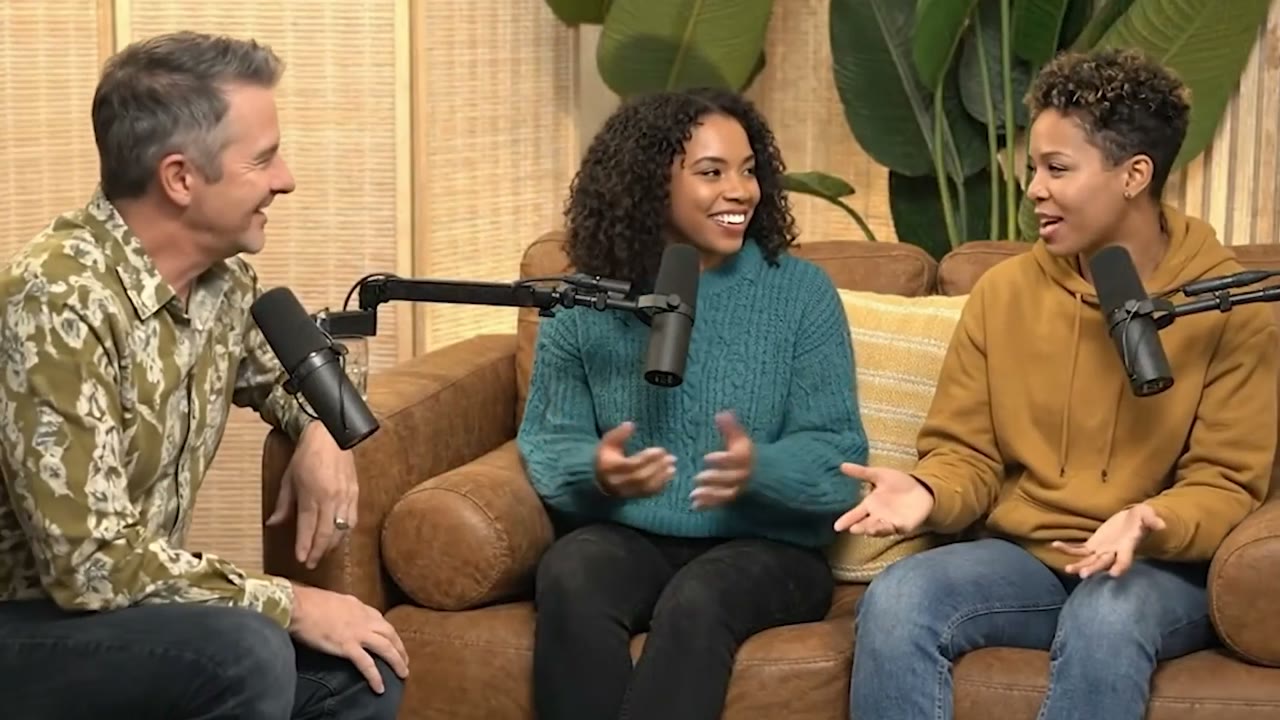
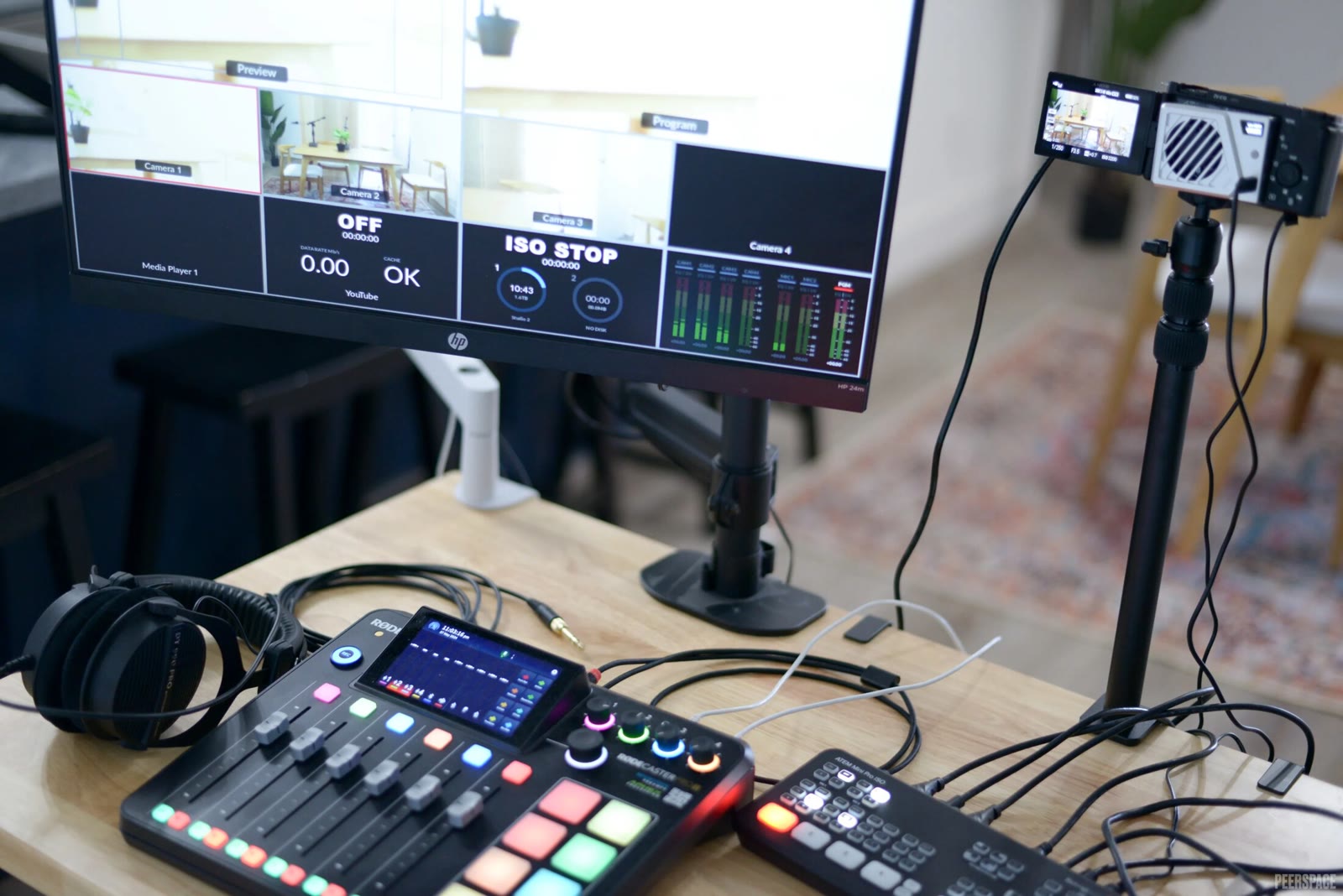
Watch the recording context behind some of the frames used across this site. Photos and clips are editorial examples; a requested image collection has its own coverage and permissions review.
Recorded conversations at Podcast Studio AZ · 14 seconds · silent editorial clip.
Jaeden’s original Riverside recording · 15 seconds · silent editorial clip.
Jaeden’s original Riverside recording · 15 seconds · silent editorial clip.
How sourcing works
An image count is only the beginning of a photo dataset brief. Useful coverage depends on subject diversity, capture conditions, class balance, source relationships, and annotation quality. Photo Datasets is a Fiund site for buyers exploring image sourcing for computer vision and visual evaluation.
Subjects and class taxonomy; Counts and required visual diversity; Image formats and minimum dimensions; Annotation type and review rules; Permitted uses and exclusions. These details establish the project’s review criteria and reveal where further clarification is needed.
Discuss which existing sources or collection approaches could address the brief. Identify access constraints, source documentation, and unanswered permission questions before treating a category as usable inventory.
Where appropriate material can be shared, agree on handling and inspect it against the specification. Record defects, coverage gaps, and annotation questions against exact source identifiers.
Confirm the selected material, intended uses, preparation work, acceptance criteria, commercial terms, and delivery arrangements in a project-specific agreement.
Check file references, manifests, documented processing, and accepted exceptions. Keep permission review and technical acceptance explicit, and resolve open issues before the collection is treated as approved for the intended use.
Field notes

Resource guide
Define visual classes, uncertain cases, and label relationships before requesting a large photo collection.

Resource guide
Set practical boundaries for object instances, truncation, occlusion, and box review.

Resource guide
Compare semantic regions and individual instances while specifying edges and difficult materials.

Resource guide
Specify product identity, variants, packaging, and real-use imagery for visual models.

Resource guide
Build a useful scene collection through activity context, layout, and environmental variation.

Resource guide
Distinguish unique visual coverage from bursts, crops, exports, and repeated source material.
Common questions
Yes. Make that distinction explicit in your brief, including whether edited, composited, or synthetic examples are excluded. The collection should be reviewed against that requirement.
No. Some use image-text pairs, image-level labels, or unlabeled source images. Tell us the learning or evaluation task so the annotation discussion matches the actual need.
A sample can help assess style and labeling, but complete class counts and source documentation are needed to evaluate the proposed collection. Ask for the full coverage plan before deciding.
Your project, in focus
Speak directly with Jaeden Schafer at Fiund about the source material, specifications, and review your project needs.
jaeden@fiund.comSource fit, permissions, samples, pricing, and delivery are reviewed for the individual project.
Start with these details